
Most professionals think personal branding starts when you post content. It does not. It starts much earlier, at the uncomfortable moment where you decide what you want to be known for and what you are willing to ignore. That decision is where authority is born.
Personal branding for professionals is the structured process of turning your expertise, experience, and point of view into a trusted market identity. It is how your name becomes associated with a specific kind of value. Not popularity, but REAL value.
This guide is written from the perspective of a practitioner level personal branding strategist who has worked on executive positioning, founder branding, and expert authority systems for over a decade. You will not find recycled motivational advice here. You will find systems, patterns, and methods that actually work in competitive markets.
If your goal is authority, influence, and high trust visibility, this is your playbook.
Personal Branding for Professionals Is Not What Most People Think
Most people reduce personal branding to three things: visual identity, social media presence, and self promotion. I mean… sure, but that is surface level branding. It creates visibility without weight.
Real personal branding for professionals is built on three deeper layers:
- Positioning
- Proof
- Pattern of value delivery
Yes, surprisingly visibility comes last, not first.
A professional personal brand should answer, in seconds:
- What does this person specialize in
- What kind of problems do they solve
- Why should I trust their thinking
If that is not clear, you do not have a brand yet. You are just an active user on social media…
Why Authority Driven Personal Branding Wins
The market is saturated with content. It is not saturated with trusted voices.
Decision makers are overloaded. They look for shortcuts. Authority is the shortcut.
When your personal brand has authority:
- Your content is taken seriously faster
- Your recommendations carry more weight
- Your pricing resistance drops
- Your inbound opportunities increase
- Your negotiation power improves
This is why top professionals invest in personal branding strategy deliberately, not casually.
What Famous Personal Brands Actually Do Differently
Let us kill a myth first. Famous personal brands are not random success stories. They follow patterns. Today’s most powerful personal brands are not built on constant exposure. They are built on identity clarity, taste, and controlled consistency. The people who build real authority are not trying to look “professional.” They are building a recognizable world around their work. A community, if you will.
Strong modern personal brands usually show:
- A clear aesthetic or creative taste
- A repeatable voice or perspective
- Tight control over collaborations and outputs
- Work that reflects identity, not trend chasing
Here are four modern examples where people are loved not just for what they produce, but for who they are and how they think. This identity driven approach is especially visible in modern audience targeting and Gen Z branding strategy, where taste, voice, and worldview matter more than polished corporate messaging.
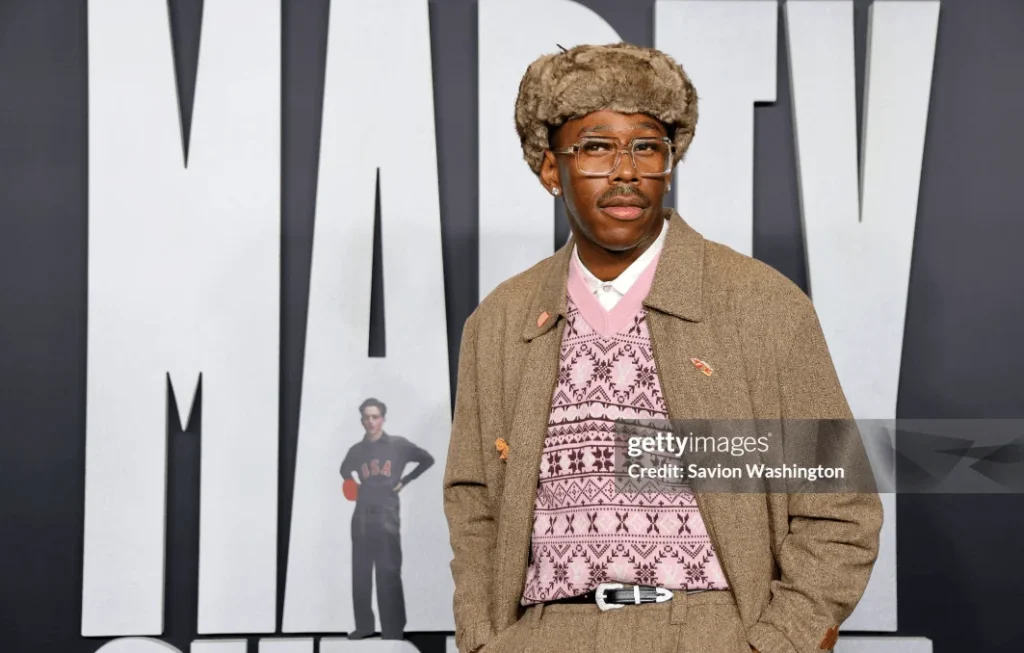
Tyler, The Creator: Taste Turned Into a Brand Universe
Tyler built a personal brand that is instantly recognizable across music, fashion, visuals, and product design.
His method:
- Strong and consistent visual direction across albums and fashion lines
- Full creative control over videos and campaigns
- Distinct color systems and typography choices
- Humor plus high craft standards
- Brands like Golf Wang and Golf le Fleur that reflect his artistic identity
He did not “build an audience” first and figure out identity later. He built a creative universe and the audience entered it.
Personal branding lesson: Authority grows when your taste is visible across multiple outputs, not just your main job.
Emma Chamberlain: Structured Authenticity
Emma Chamberlain’s personal brand works because it feels human but is executed with creative discipline.
Her method:
- A signature editing and storytelling style
- A conversational tone that still has strong pacing and structure
- Evolution from casual creator to fashion and culture figure without identity break
- Product extensions like Chamberlain Coffee that match her lifestyle and voice
She did not try to look like an expert. She built trust through recognizable personality patterns and creative control.
Personal branding lesson: Relatability works when it is paired with consistent creative structure.

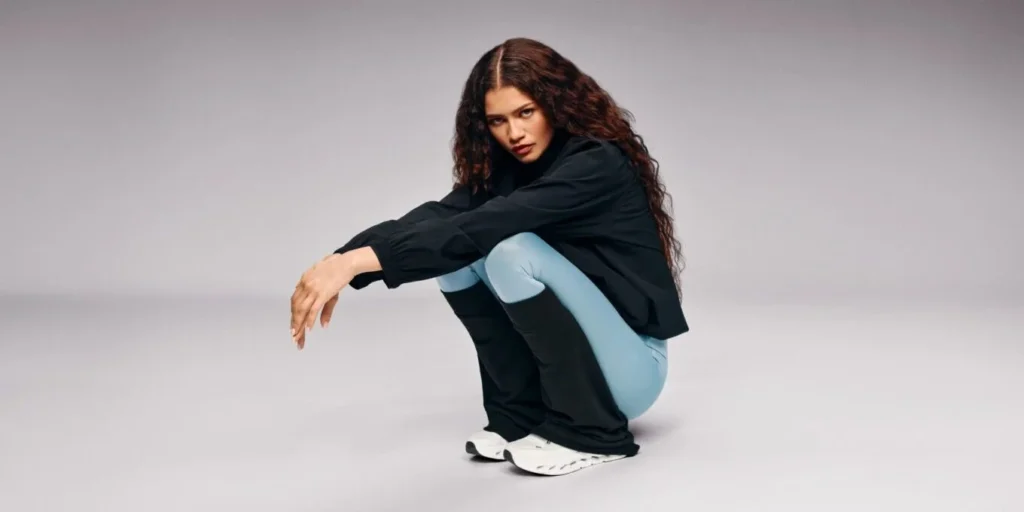
Zendaya: Selectivity as a Branding Strategy
Zendaya’s personal brand is built on absolute precision.
Her method:
- Highly selective role choices
- Strong and consistent fashion positioning through styling direction
- Interviews that reinforce preparation and intelligence
- Low noise, high craft visibility
- Long term career arc planning instead of short term exposure chasing
She does fewer things, but each one strengthens the same identity signal.
Personal branding lesson: Saying no is a brand tool. Selectivity increases perceived authority.
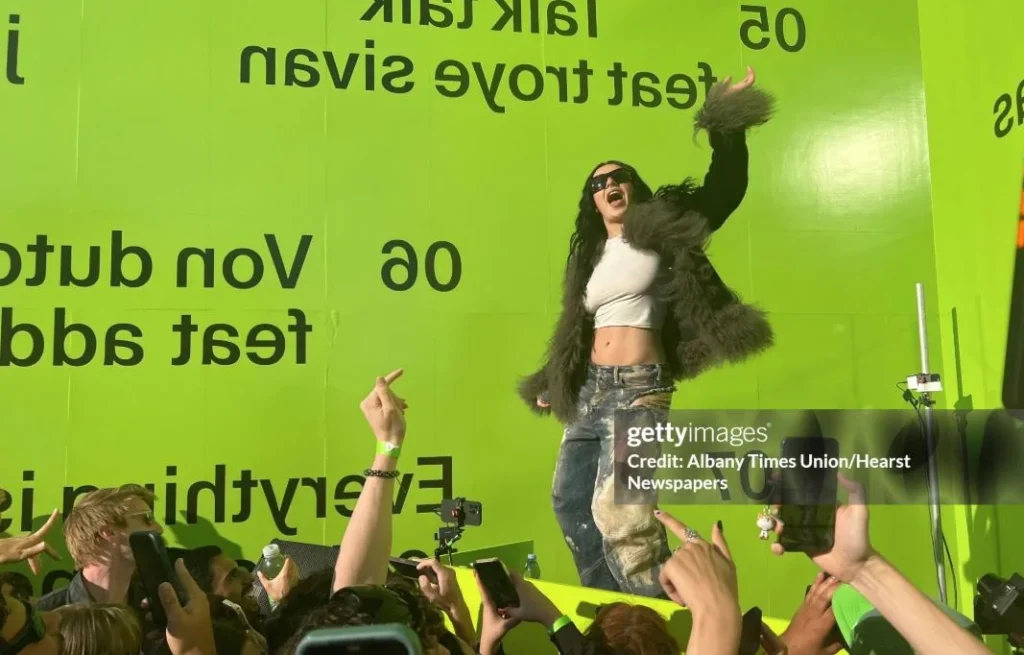
Charli XCX: Reinvention With Core Identity Intact
Charli XCX built a personal brand around experimentation and future facing pop culture while keeping a stable creative core. Charli even did a full rebrand that made her even more famous and gained more fans and became more successful in her brat era.
Her method:
- Constant sound and style evolution without losing voice
- Deep collaboration with emerging producers and scenes
- Strong connection to digital native culture
- Transparent creative experimentation
- Owning a lane between mainstream and underground
She is not locked into one era of herself. Reinvention is part of her brand, but the creative attitude stays consistent.
Personal branding lesson: You can evolve your style aggressively if your core creative identity remains recognizable.
How to Build a Professional Personal Branding Authority System
Now the system. This is the step by step personal branding framework used in high level professional positioning projects.
Step 1: Authority Positioning Before Visibility
Do not start with platforms. Start with positioning architecture. If you want a structured reference for how positioning fits inside a full brand build, review this detailed branding process for companies framework.
Define:
- Core expertise domain
- Problem category you solve
- Audience type
- Decision level of audience
- Stakes of the problems you address
Positioning Depth Table
| Layer | Example |
|---|---|
| Field | Digital marketing |
| Specialization | Technical SEO |
| Problem | Traffic loss after site migrations |
| Audience | Enterprise websites |
Step 2: Your Strategic Point of View Library
Authority requires point of view. Not hot takes.
Structured perspective.
You need written positions on:
- Common industry mistakes
- Better frameworks
- Better metrics
- Better decision rules
Create a POV library document with at least:
- 10 strong industry opinions
- 5 method comparisons
- 5 diagnostic checklistsThis becomes your thought leadership branding engine.
Strong experts are quotable because their thinking is structured.
Step 3: Build Your Proof Assets First
Before heavy publishing, build proof assets.
These include:
- Case studies
- Before and after metrics
- Project breakdowns
- Process diagrams
- Named results
- Client outcomes
If you run an agency or consultancy, your case studies and deep project articles should be structured like high quality brand and SEO case breakdowns found on Erahaus case study content.
Proof before promotion is a rule, not a suggestion. If you are deciding who should help build and document your brand assets, this breakdown of branding agency vs freelance designer will help you choose based on scope, depth, and long term authority goals.
Step 4: Create Your Signature Framework
Top authority brands are known for frameworks.
Examples from well known professionals:
- Simon Sinek with “Start With Why”
- Stephen Covey with 7 Habits framework
- Seth Godin with permission marketing
Frameworks do three things:
- Simplify complexity
- Make your thinking teachable
- Make your name attach to a model
Create at least one named framework in your field.
Example structure:
- 5 stage audit model
- 3 layer brand system
- 4 step validation method
Name it. Use it. Teach it repeatedly.
Step 5: Engineer Your Content Architecture
Personal branding for professionals is not random posting. It is editorial architecture.
Build three content layers:
Layer 1: Authority Articles
Deep, structured, evergreen. Like this one.
Layer 2: Insight Posts
Short expert takes and pattern recognition.
Layer 3: Proof Stories
Case snapshots and lessons learned.
A good model for structure is how high quality SEO and branding guides are structured on Erahaus Magazine.
Step 6: Control Your Search Results Page
Google your own name. If the results are weak, your brand surface is weak.
You should control:
- Personal site or profile page
- Author bios
- Guest articles
- Interviews
- High quality directoriesPersonal branding for professionals must include search reputation engineering. Your personal site and bio pages should also pass a proper website content checklist before launch so your authority signals are clear, structured, and credible from day one.
Step 7: Platform Strategy for Professionals
Not every platform deserves your time.
For most professionals:
Primary
- LinkedIn for authority and network
- Long form blog for search authority
Secondary
- Podcast appearances
- Industry publications
- Avoid platform addiction. Choose platform leverage.
Step 8: Narrative Consistency Across Channels
Your story must match everywhere:
- Bio
- About page
- Speaker intro
- Social headline
If your positioning changes every three months, authority resets to zero every three months.
Consistency compounds trust.
Step 9: Authority Signals That Most Professionals Ignore
Advanced authority signals:
- Original research
- Industry surveys
- Data backed articles
- Model creation
- Method comparisons
- Decision trees
These separate specialists from commentators.
Publishing a deep guide that compares SEO vs AEO vs GEO search strategy models, for example, is an authority move, not a traffic move.
Step 10: Reputation Flywheel
Authority personal brands run on a flywheel:
Insight → Content → Proof → Trust → Opportunity → Bigger Proof → Bigger Trust
Do not chase virality. Build flywheel momentum.
Advanced Personal Branding Tactics From Field Experience
These are not common tips. These come from real positioning projects.
Use Controlled Contrarianism
Take positions that are defensible but not generic.
Example:
“Most brand redesigns fail because positioning was never validated.”
Specific. Arguable. Memorable.
Publish Decision Tools
Create:
- Checklists
- Scorecards
- Evaluation sheets
Decision tools create saves and shares, which build authority memory. MAke people genuinely trust you and your experience-based opinions.
Teach Your Method Publicly
Do not hide your process. Hide your execution depth, not your model.
The teaching method increases perceived mastery.
Personal Brand Content Formats That Build Authority Faster
- Deep guides
- Framework explainers
- Case teardown articles
- Myth busting posts
- Process walkthroughs
- Industry trend analysis
Avoid:
- Quote graphics
- Empty motivation
- Generic tips lists
Authority grows from substance density.
Build It Like a System, Not a Hobby
Personal branding for professionals is not about being loud. It is about being clear, consistent, and provably useful. Authority is engineered through positioning, proof, and pattern.
If you want it built with strategy instead of guesswork:
Contact Erahaus for Personal Branding Strategy
Explore Erahaus Content Marketing Services
Most people will keep posting and hoping. Professionals build systems and win quietly.
FAQ: Personal Branding for Professionals
Is personal branding only for founders and influencers?
No. It is especially powerful for consultants, executives, specialists, and advisors.
How long does authority level personal branding take?
Serious authority signals usually appear within six to twelve months of structured execution.
Do I need to show my personal life?
No. Professional authority branding can be fully expertise driven.
Can personal branding support company branding?
Yes. Founder and executive authority increases company trust and conversion.